
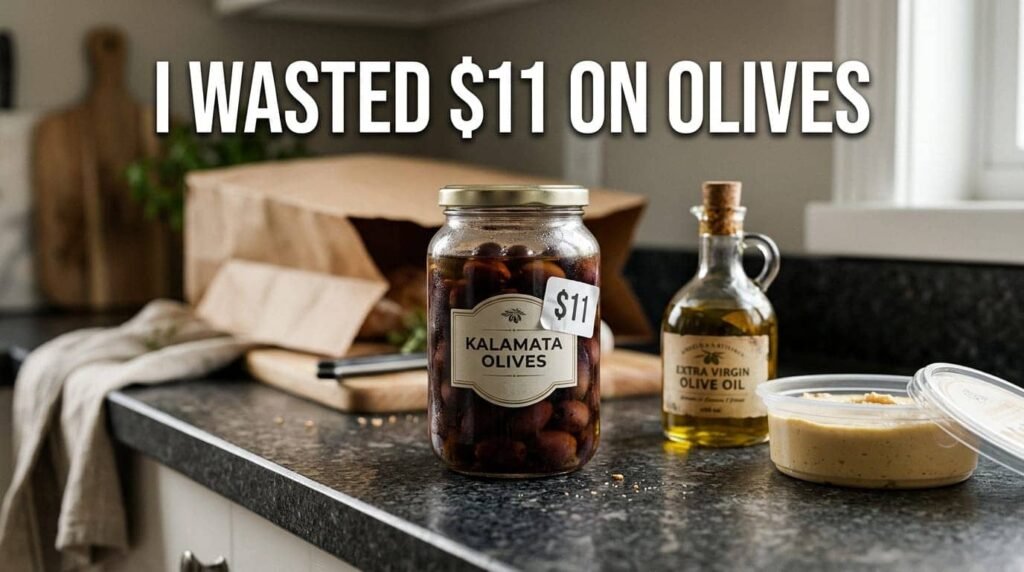
My doctor had casually mentioned the Mediterranean diet at a checkup. Not as a lecture, just a “this one has good evidence behind it” kind of comment. I went home that night, googled Mediterranean diet grocery lists, and felt great about my new life as a person who eats fish and drizzles olive oil on things.
Then I went shopping.
I came home with a jar of fancy Kalamata olives that cost $11, a tiny bottle of “artisanal” olive oil, a wedge of imported feta, a bag of pre-made hummus, and a loaf of bread from the bakery section. I had no idea what to cook with any of it. That night I ate hummus with a spoon and called it dinner.
It took me a few more messy trips to figure out the real shape of this way of eating. It turns out the Mediterranean diet is far less glamorous and far cheaper than the photos suggest. It’s mostly beans, vegetables, whole grains, eggs, canned fish, and a decent bottle of olive oil.
This is the grocery list I now use, along with the mistakes that got me there.
Cheap Mediterranean Foods to Buy
I’m not a doctor or a registered dietitian. This is what worked for me as a regular adult who wanted to eat in a more balanced way.
If you have a medical condition, food allergies, take blood thinners (leafy greens affect some of them), manage diabetes, or are pregnant, talk to your doctor or a dietitian before changing how you eat. A grocery list that’s fine for me might need adjusting for you.
What to Expect from a Mediterranean Diet Grocery List
Forget the strict rulebook. The way I understand it, building a Mediterranean Diet Grocery List is all about an eating pattern based on how people in countries around the Mediterranean Sea traditionally ate. The basics:
- Lots of vegetables, fruit, beans, lentils, nuts, and whole grains
- Olive oil as the main cooking fat
- Fish and seafood a couple of times a week
- Poultry, eggs, and dairy (like yogurt and cheese) in moderate amounts
- Red meat and sweets only now and then
- Meals shared, unhurried, and built around real food
That last part sounds fluffy, but it changed my habits more than I expected. I stopped eating lunch at my desk and started sitting down. More on that later.
Before you shop: three rules I wish I’d known
Rule 1: Shop your pantry first. I already owned canned tomatoes, rice, oats, and half a bag of lentils. I’d have bought them again if I hadn’t checked.
Rule 2: Build around plants. If most of your cart is vegetables, beans, grains, and fruit, you’re on the right track. Everything else is a supporting character.
Rule 3: Don’t buy “Mediterranean” labels. I fell for packaged products with the word “Mediterranean” on them. Many were just regular chips, crackers, or sauces with a marketing sticker. Read the ingredient list instead.
The beginner grocery list
This is the list I actually shop from. Quantities depend on how many people you’re feeding, so I’ve noted what I usually buy for one or two people for a week.
Healthy fats and oils
- Extra virgin olive oil. One decent bottle that you actually use. You don’t need the $30 one. Look for a harvest date and dark glass, and don’t stress about the rest.
- Olives (green or Kalamata). Buy from the olive bar or a basic jar. The $11 jar was a mistake.
- Nuts. Almonds, walnuts, and pistachios. Buy raw or dry-roasted, unsalted if you can.
- Seeds. Sesame seeds or tahini, sunflower seeds, and chia or flax if you like them.
- Avocado. Optional, and not strictly traditional, but a lot of people include it.
Vegetables
Aim for a mix and lean on what’s in season.
- Tomatoes (fresh, plus canned whole or crushed)
- Cucumbers
- Bell peppers
- Zucchini
- Eggplant
- Spinach, arugula, or other leafy greens
- Onions and garlic
- Carrots
- Broccoli or cauliflower
- Mushrooms
- Frozen vegetables, which are a lifesaver on busy weeks
Fruit
- Lemons (I use these constantly)
- Oranges
- Apples
- Grapes
- Berries (frozen is fine and cheaper)
- Figs or dates when available
- Bananas
Whole grains and starches
- Rolled oats
- Brown rice or bulgur
- Whole wheat pasta
- Whole grain bread or pita
- Couscous (whole wheat if you can find it)
- Quinoa or farro, if they fit your budget
- Potatoes and sweet potatoes
Beans, lentils, and legumes
- Canned chickpeas
- Canned white beans (cannellini)
- Dried or canned lentils
- Black beans or kidney beans
- Frozen edamame or peas
- Hummus (or make your own, which is cheaper)
Fish and seafood
- Canned sardines or mackerel
- Canned tuna (packed in olive oil or water)
- Salmon fillets (frozen is more affordable)
- Shrimp, frozen
- White fish like cod or tilapia
Poultry, eggs, and dairy
- Eggs
- Chicken breasts or thighs
- Plain Greek yogurt
- Feta cheese
- Parmesan or another hard cheese for flavor (a little goes a long way)
- Milk, if you use it
Herbs, spices, and flavor makers
- Dried oregano, cumin, paprika, cinnamon
- Black pepper and sea salt
- Fresh parsley, basil, mint, or dill
- Red wine vinegar or balsamic vinegar
- Capers (a jar lasts forever)
- Sun-dried tomatoes (optional)
- Tomato paste
Treats and extras (in moderation)
- Dark chocolate
- Honey
- A bottle of wine, if you drink and your doctor is fine with it. Wine isn’t required, and I’d never suggest starting to drink for health reasons.
A realistic first-week shopping approach
Here’s the step-by-step process I’d follow if I were starting again.
1. Choose three dinners. For example: baked salmon with roasted vegetables, chickpea and spinach stew, and a big salad with eggs and white beans.
2. Pick two breakfasts. Greek yogurt with fruit and nuts, plus oatmeal with cinnamon and berries works for me.
3. Plan two easy lunches. Tuna and white bean salad, plus a veggie-packed grain bowl.
4. Write the list from those meals. Only add what you need.
5. Buy the oil, spices, and canned goods once. These last for weeks.
6. Shop produce for 3 to 4 days. Then top up midweek if you can.
7. Prep a few basics on the weekend. Cook grains, wash greens, and roast a tray of vegetables.
I use Mealime for simple recipes and auto-built grocery lists, and Flipp to check which store has the best deals on produce and fish to help build my Mediterranean diet grocery list. For tracking what’s in my pantry, a sticky note on the fridge does the job.
What a week of meals looked like for me
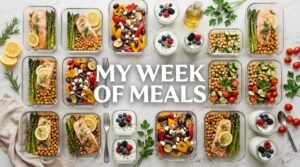
Nothing fancy, and I repeated meals on purpose.
Breakfasts
- Greek yogurt, berries, walnuts, and a drizzle of honey
- Oatmeal with cinnamon, sliced apple, and almonds
- Scrambled eggs with spinach and tomatoes on whole grain toast
Lunches
- Chickpea salad with cucumber, tomato, red onion, olive oil, and lemon
- Lentil soup with a slice of whole grain bread
- Tuna and white bean salad on greens
Dinners
- Baked salmon, roasted zucchini and peppers, and a scoop of couscous
- Chickpea and spinach stew with crusty bread
- Whole wheat pasta with garlic, olive oil, cherry tomatoes, and shrimp
- Chicken thighs roasted with lemon, oregano, and potatoes
- Shakshuka: eggs poached in a spiced tomato and pepper sauce
Snacks
- A handful of nuts
- Apple slices with peanut or almond butter
- Hummus with carrots and cucumber
- Olives and a small piece of feta
- Fresh fruit
Does it have to be expensive?
This was my biggest worry, and honestly my biggest surprise. My first week cost way more than my usual groceries. After a month of learning, it came out about the same or slightly cheaper.
Here’s what helped:
- Beans and lentils for protein. Far cheaper than meat or fish.
- Frozen fish and vegetables. Same nutrition, less waste, lower price.
- Canned fish. Sardines and mackerel are cheap, shelf-stable, and full of good fats.
- One good bottle of olive oil, not three. I buy a mid-priced one and use it daily.
- Seasonal produce. Summer tomatoes and zucchini cost a fraction of their winter counterparts.
- Bulk bins and ethnic markets. Spices, grains, nuts, olives, and feta are often much cheaper at Middle Eastern, Greek, or international grocers. I get my bulgur and chickpeas there, and my total dropped noticeably.
- Store brands. For canned goods, oats, pasta, and frozen items, they’re usually fine.
Real example: how my neighbor Dimitra eats this way
My neighbor Dimitra grew up in a Greek family and laughed when I showed her my first receipt. She said her mother never “followed the Mediterranean diet.” She just cooked what was seasonal and affordable.
Her weekly routine is simple. She makes a big pot of beans or lentils, roasts a tray of vegetables, keeps eggs and yogurt on hand, and buys fish when it looks fresh or is on sale. Bread, olives, and a little cheese appear at most meals. She rarely follows recipes, and she tastes constantly.
What I took from her wasn’t a specific dish. It was the mindset: cook simply, use real ingredients, and don’t fuss.
Tools and gadgets I actually use
- A sheet pan. Roasted vegetables are the backbone of half my meals.
- A large pot. For soups, stews, and beans.
- A good knife and cutting board. Chopping is easier and faster with a sharp knife.
- A salad spinner. I resisted this, then used it all the time. Greens last longer when they’re dry.
- A slow cooker or Instant Pot. Great for lentil soup and bean dishes. Optional.
- Glass containers. For prepped grains, salads, and leftovers.
- Apps: Mealime for recipes and lists, Flipp for grocery deals, Cronometer if you want to see nutrients (I used it briefly out of curiosity).
Mistakes I made (learn from my $11 olives)
Buying specialty items before basics. Fancy cheese and imported products aren’t the foundation. Beans, vegetables, grains, and olive oil are.
Overbuying produce. I bought five kinds of leafy greens and watched most wilt. I now buy two or three vegetables I know I’ll eat and fill in with frozen.
Treating olive oil like a free food. It’s healthy, but it’s calorie dense. I used to pour it freely. Now I measure for a while, then eyeball it. If weight management is a goal, portions still matter.
Ignoring fiber transition. I went from low fiber to beans and whole grains daily and my stomach complained. Increase gradually and drink water.
Thinking it was only a “food list.” The diet is also about how you eat. Cooking at home, eating slower, and sharing meals made a real difference to how satisfied I felt.
Skipping flavor. A bland bowl of chickpeas is no fun. Lemon, garlic, herbs, and a pinch of salt turn it into something you want to eat.
Assuming all “Mediterranean” restaurant food fits. A giant plate of fried falafel and white pita isn’t the same as a grilled fish and salad. Order thoughtfully.
Giving up after one rough week. Some weeks I ate pizza four nights in a row. The next week I picked up where I left off. Consistency over time matters more than perfection.
What changed after a couple of months
Here’s the honest version:
- I felt more satisfied after meals and snacked less.
- My digestion improved once I adjusted to more fiber.
- I cooked more at home and spent less on takeout.
- My energy felt steadier, though I can’t say how much came from food versus better sleep and routine.
- My grocery spending settled into a normal range after the learning curve.
I’m not claiming this is a miracle cure or a guaranteed weight-loss plan. It’s an eating pattern that’s easy to enjoy and keep doing, especially when you have a solid Mediterranean diet grocery list to guide you, and that’s why I stuck with it.
FAQs

What is the easiest way to start the Mediterranean diet?
Start with small swaps. Use olive oil instead of butter for cooking, add a vegetable or bean dish to dinner, and eat fish once or twice a week. Build up from there instead of changing everything at once.
Is the Mediterranean diet expensive?
It can be if you buy specialty items, but it doesn’t have to be. Beans, lentils, frozen vegetables, canned fish, oats, and seasonal produce keep costs low. Shopping at ethnic markets and buying store brands helps too.
Do I have to eat fish?
No. Fish is a common part of the pattern, but beans, lentils, eggs, and nuts can fill the gap. If you don’t eat fish, ask a healthcare provider whether you need other sources of omega-3s.
Can vegetarians follow it?
Yes. Skip the fish and poultry and lean on legumes, eggs, dairy, nuts, whole grains, and plenty of vegetables.
Can I eat bread and pasta?
Yes, ideally whole grain versions and in sensible portions. Traditional Mediterranean eating includes bread and pasta, usually alongside vegetables, olive oil, and legumes.
Do I need to drink wine?
No. Wine is often part of the traditional image, but it’s optional. If you don’t drink, don’t start. If you do, moderation and your doctor’s guidance matter.
Is olive oil really that important?
It’s the main fat in this pattern, and a good one to use. You don’t need an expensive bottle. A decent extra virgin olive oil works fine for cooking and dressing.
How long does it take to see results?
It depends on what you’re hoping for. Some people notice better digestion or steadier energy within weeks. Health markers like cholesterol or blood pressure need lab tests and time. Your doctor can tell you what to track.
Can I lose weight on the Mediterranean diet?
Some people do, mostly because they eat more whole foods and fewer processed ones. But portions, activity, sleep, and overall calories still matter, and it isn’t a guaranteed weight-loss plan.
What if I’m allergic to nuts, fish, or dairy?
Swap them out. Use seeds instead of nuts, beans instead of fish, and plant-based yogurt instead of dairy. Read labels carefully and ask a professional for personalized guidance.
Is canned or frozen food okay?
Absolutely. Canned beans, tomatoes, fish, and frozen vegetables are practical and affordable. Rinse canned beans and check the sodium if that’s a concern for you.
What should I buy first if I’m on a tight budget?
Olive oil, canned chickpeas or white beans, lentils, oats, canned tomatoes, eggs, frozen vegetables, and a bag of whole grain pasta or rice. That’s a solid base for a lot of meals.
A short screenshot-friendly checklist
- Olive oil, vinegar, lemons, garlic
- Canned chickpeas, white beans, lentils
- Canned tomatoes and tomato paste
- Oats, whole grain pasta, rice or bulgur
- Eggs and plain Greek yogurt
- Canned sardines or tuna, frozen salmon or shrimp
- Fresh and frozen vegetables
- Fruit you like (fresh or frozen)
- Almonds or walnuts
- Dried oregano, cumin, paprika, and fresh herbs
- A little feta or Parmesan
Final thoughts
Looking back at that first trip, the funny part is that I spent so much time and money chasing the look of the diet and missed the point. The best Mediterranean meals I’ve eaten at home are the plain ones. A pot of lentils, a tray of roasted vegetables, a squeeze of lemon, some good bread, and a handful of olives.
If you’re just getting started, don’t stress about being perfect. Choose a few staples, learn two or three meals you enjoy, and build a simple Mediterranean diet grocery list. The rest follows with practice.
And if you ever catch yourself holding a $11 jar of olives, take a breath and put it back. Dried beans are calling.